AI SEO vs GEO: the two terms describe mostly the same thing, namely the work of getting mentioned and cited in answers from AI tools. AI SEO emphasizes that the work builds on search engine optimization. GEO, generative engine optimization, emphasizes that the answer is written by a language model. The distinction matters little in practice.
Essentially, yes. You create clear pages, make sure crawlers can read them and get mentioned in places the AI tools trust. The terms are used interchangeably, along with AEO and LLM SEO. We explain GEO in a separate guide.
There are so many names because the field is new, and because vendors want to set their offering apart from everyone else's. Rather than asking an agency about the difference, find out what they actually do: which pages they write, which crawlers they let in and what they measure. That tells you more than the term they use.
Google says its AI features require no special measures. Its documentation on AI features in Google Search states that SEO best practices still apply, and that there are no additional requirements to appear in AI Overviews.
The foundation is the same. The difference lies in what you see, and in what you need to measure.
Mostly companies' own websites. When we reviewed a random sample of the sources, about three in four were a company's own page, according to the report on the sources AI cites. That is good news for the SEO work you already do: product pages, customer references and expert articles give AI something to point to.
Use the one your buyers and colleagues understand. Many say AI SEO because they already know SEO. GEO is more common among specialists and in English-language sources. In Norway, we tend to call the result AI visibility: how often AI mentions you.
The choice of term does not affect your ranking. What affects the outcome is whether your pages answer the questions buyers ask.
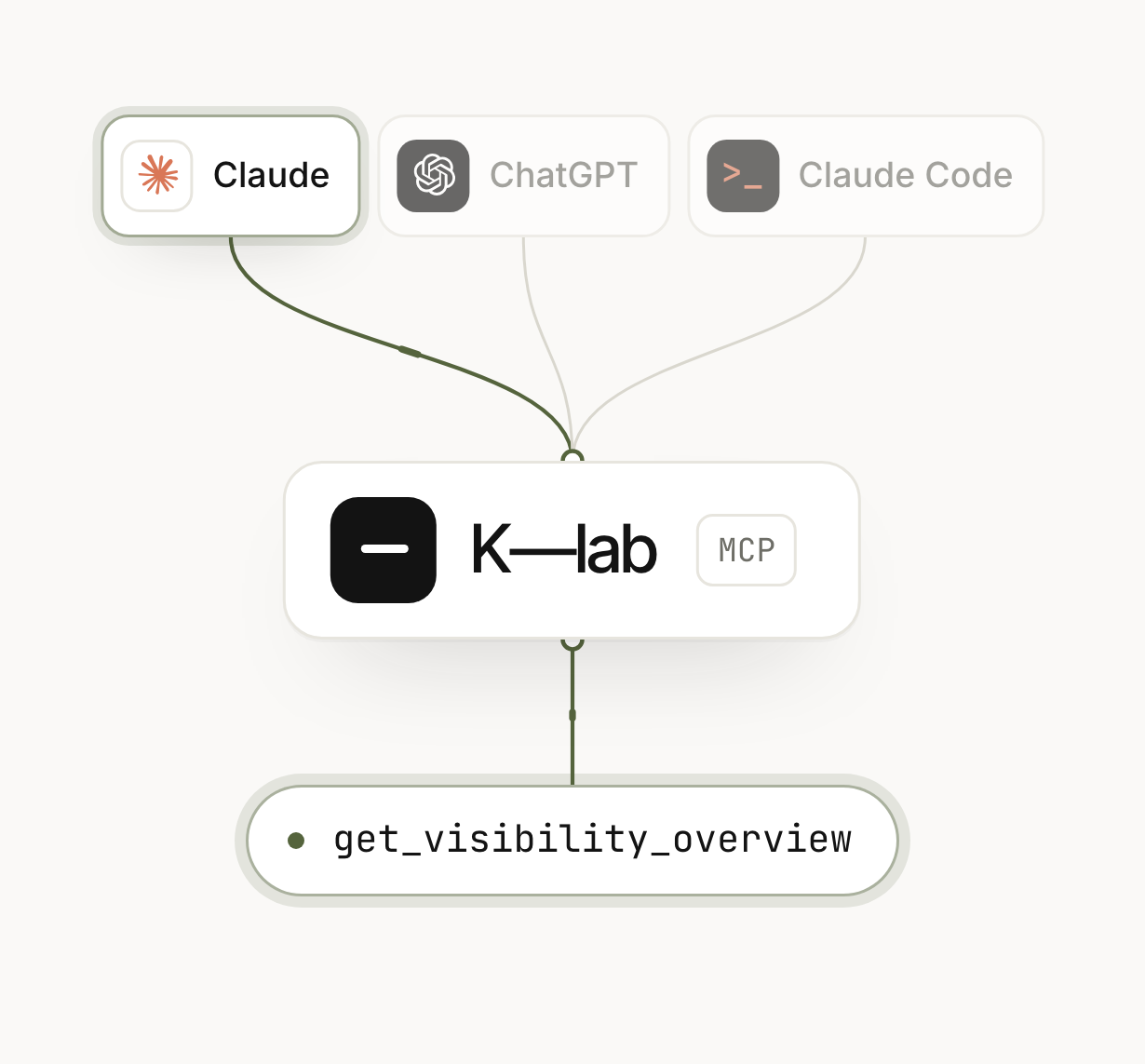
Not with rankings. Measure how often you are mentioned in answers to buyer questions, who is mentioned instead, and which sources the answers draw on. Google Search Console has a generative AI report that shows how your own pages perform in Google. For ChatGPT and Copilot, you have to ask the questions yourself, many times, or use a tool like K—lab Cited.
Want to see the numbers for your own company? Get the free report from K—lab.
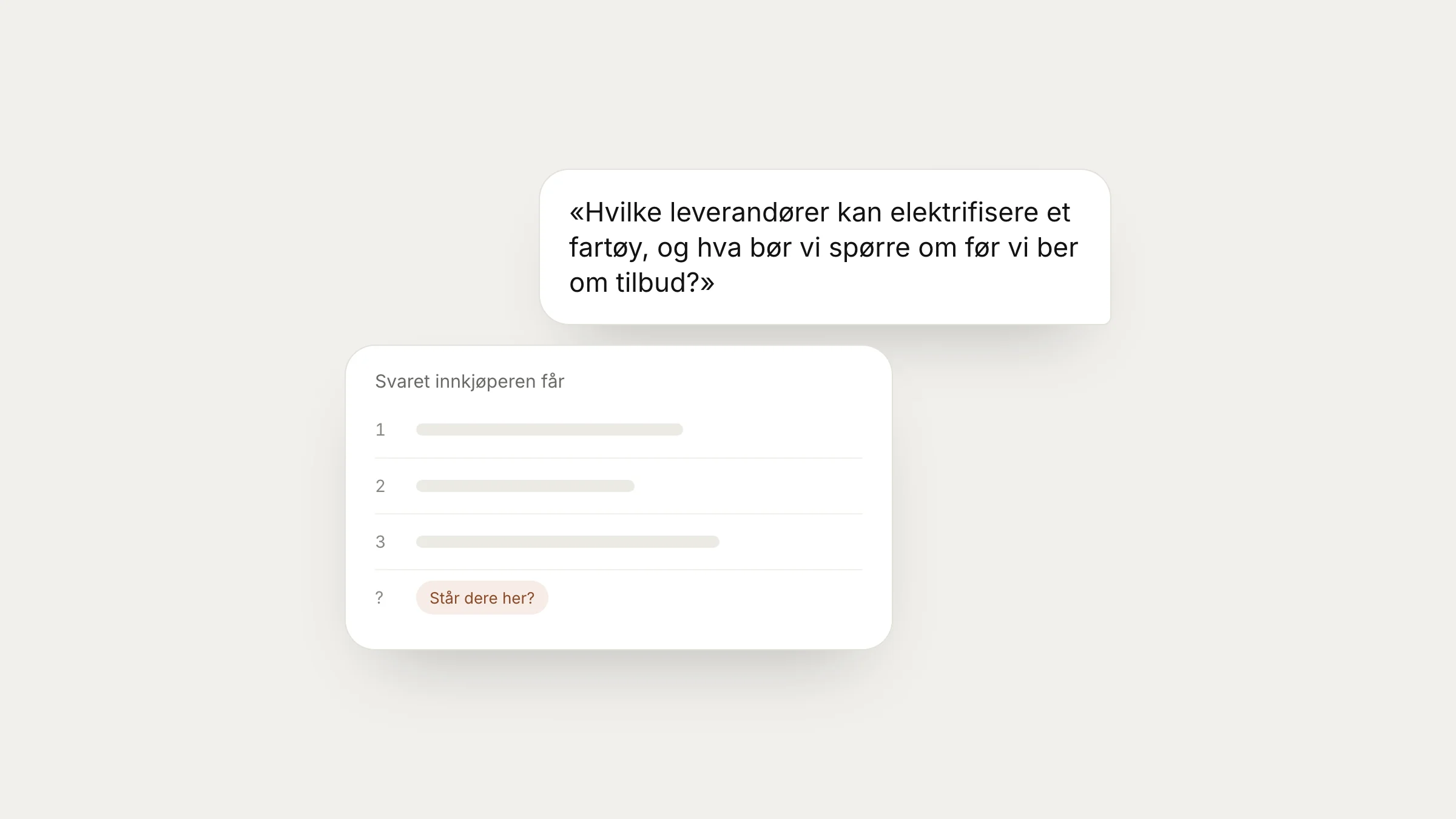
B2B companies with deep expertise should be chosen for what they can do, even when the buyer asks AI first. Here are the surveys, the numbers and where K—lab itself stands.
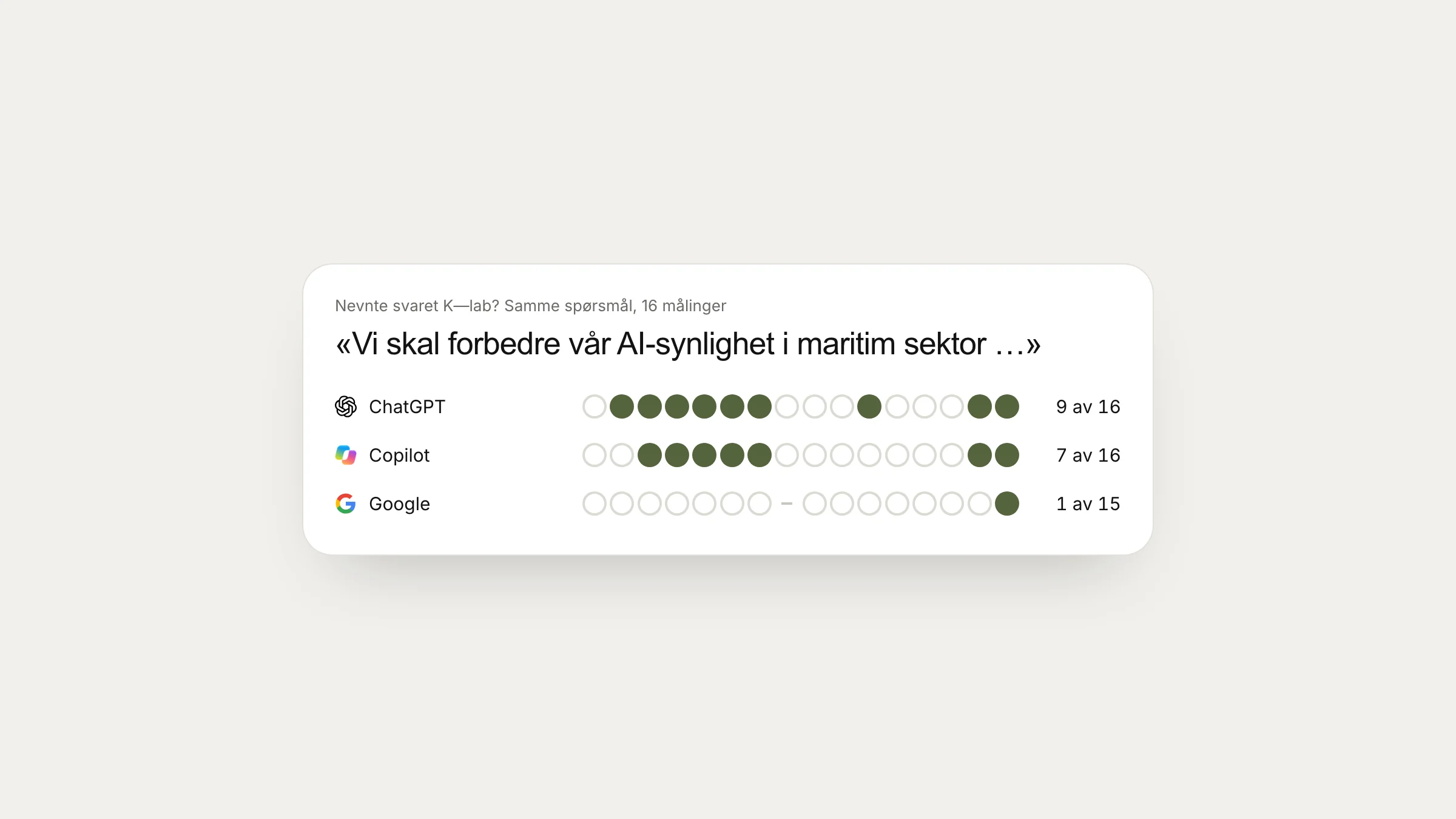
We asked ChatGPT and Copilot buyer questions every other day for a month. See how much the answers change, and why a single answer is only a snapshot.
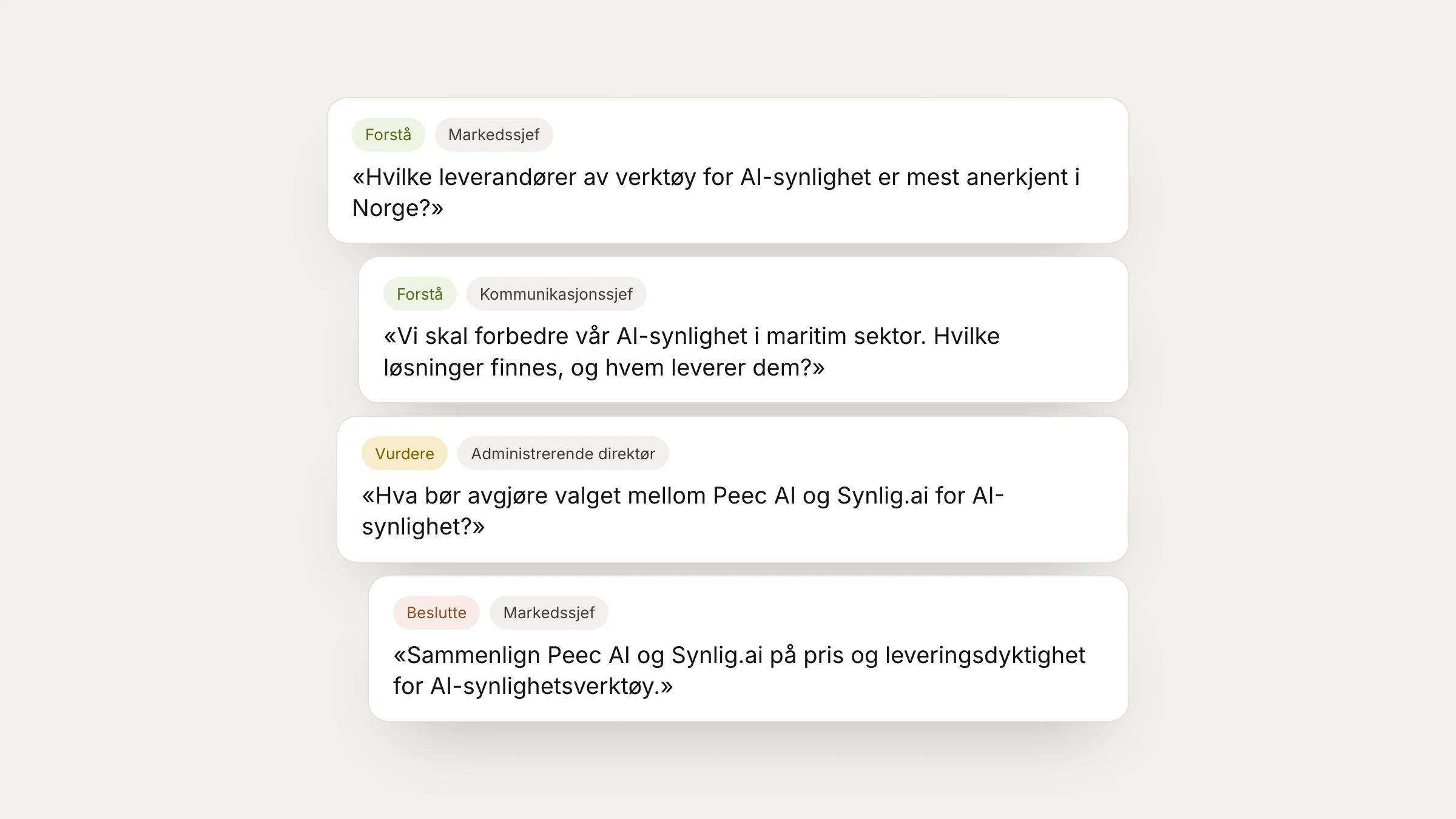
K—lab asks buyer questions written from buying situations in industry and the maritime sector. Here is how they are chosen, and how to build your own list.
Spend less time gathering and explaining results. Spend more time on the actions that actually deserve attention.